


As an Amazon Associate, Sumizeit earns from qualifying purchases.
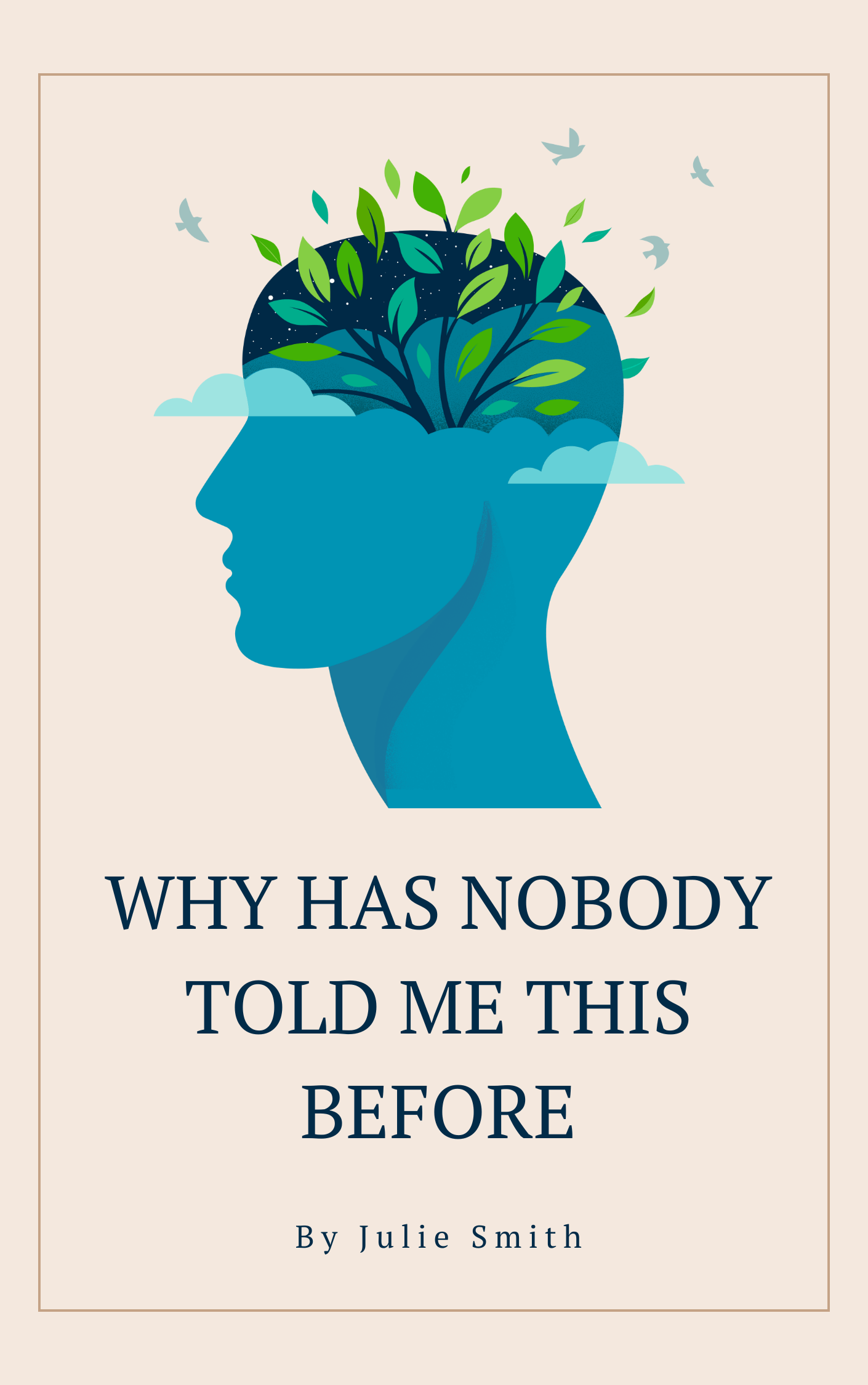
Why Has Nobody Told Me This Before Book Summary
This Why Has Nobody Told Me This Before Book Summary covers the key ideas, lessons, and takeaways in about 20 minutes.
Indeed, there is power in self-awareness about your brain, body, and environment as it can influence how you feel, but self-awareness is not enough. To really avoid falling into a cycle of low moods, anxiety, or fear, you have to take action and address the cause itself. This can be harmful thought patterns or unmet needs. Various situations will call for different kinds of solutions, but Why Has Nobody Told Me This Before will sufficiently guide you to use the most flexible and basic skills and tools that are applicable in most situations.
However, healthy behaviors are not formed overnight. When you catch yourself in a rut and think of what can relieve you, you have to choose what is efficient and healthy for your well-being. This way, you do not feed your anxiety or fear, and even when you are unsuccessful or if the tools or skills are ineffective, you can feel reassured that you tried and that you can try again. What’s important is you to choose to improve yourself in each opportunity and you face your fears while they are still small or at a manageable size. As you practice using these tools and trying these skills, you will become more brave and confident about experiencing new moments and using them through the good times and bad.
Want the complete 20-minute summary?
- Full structured summary
- Video Summary
- Podcast Summary
- Audio summary
- Infographic
- Key takeaways
- Exercises
- Quiz
- Highlights and notes
- Ask the book with AI
What is in the Why Has Nobody Told Me This Before book summary?
Below is a preview of Sumizeit’s expert-written summary of Why Has Nobody Told Me This Before by Dr. Julie Smith. The full summary covers the book’s key ideas in text, audio, and video.
Professional therapeutic services are notoriously inaccessible and expensive for many people who are busy or have other important basic needs to fulfill, but Dr. Julie Smith, a globally renowned clinical psychologist famously known for her bite-sized social media videos on the topic, has made it more open to the public through her book Why Has Nobody Told Me This Before. The book covers different topics including mood pitfalls, motivation, emotional pain, grief, self-doubt, fear, stress, and meaningful life. It talks about common tools in clinical psychology that are useful and helpful for addressing common mental health problems such as low mood, anxiety, or depression. These tools include being self-aware, nurturing the feeling of motivation, dealing with emotions, building confidence, and more.
Although the book is not a substitute for professional therapy itself, it can provide you a preview of it and equip you with the right skills and tools clinical psychologists also use to address different situations relating to mental health. The core and most basic of these skills and tools is self-awareness. By being self-aware, you are taking the first step of recognizing that there is indeed a problem with how you experience moments in your life and that you want to have a better, healthier response to them. Self-awareness is also the key to facing the problem head-on and addressing it by its roots and not through instant relief or distractions. As Dr. Smith said, “Learning how to manage anxiety will open up your life.” When you make use of these tools and practice other skills shared in the book, you will improve your experiences and relationships in a more meaningful and fulfilling way.
Turn struggle into strength through self-awareness
Most of us experience a low mood without knowing why or without wanting to know why. We accept it as it comes by letting it affect our thoughts, emotions, and behavior for the rest of the day or week. Although mood changes and fluctuations are normal, we should not let it become a vicious cycle that affects our health, work, and relationships. Yet, a common misconception of low mood, anxiety, and other mental health problems is that they have unknown or unfixable causes. This belief has caused more people to feel even more lost and hopeless about their situation and resort to short-term fixes such as numbing with TV or social media or alcohol, drugs, or food. However, Dr. Julie Smith teaches us that low mood is traceable, but we need to practice self-awareness.
There are many reasons why someone would experience a low mood; these could be external events or internal happenings in your body or what Dr. Smith calls as different aspects that make up our experiences: thoughts, motions, behavior, and physical sensations. However, when your low mood turns into a cycle where each of these aspects affect one another, it may become more difficult to determine what the cause is, but not impossible. According to Dr.
Want the complete 20-minute summary?
- Full structured summary
- Video Summary
- Podcast Summary
- Audio summary
- Infographic
- Key takeaways
- Exercises
- Quiz
- Highlights and notes
- Ask the book with AI
Who should read Why Has Nobody Told Me This Before?
Why Has Nobody Told Me This Before is for anyone struggling with low mood, anxiety, stress, or self-doubt who wants practical psychological tools without expensive therapy. It's ideal for busy professionals, students, and people seeking evidence-based mental health strategies they can apply immediately to their daily lives.
Why does Why Has Nobody Told Me This Before matter?
Mental health challenges affect millions, yet professional therapy remains inaccessible for many due to cost and time constraints. Dr. Julie Smith's book democratizes clinical psychology by teaching the same self-awareness and coping tools therapists use, empowering readers to understand and manage their emotional struggles at their own pace.
What are the key themes in Why Has Nobody Told Me This Before?
- Self-awareness as the foundation for mental health
- Breaking cycles of low mood and anxiety through direct action
- Identifying and challenging harmful thought patterns
- Meeting basic needs and building healthy routines
- Facing problems instead of avoiding them
- The mind-body connection in emotional regulation
- Developing self-compassion and resilience
- Practical psychology accessible to everyone
What are the key lessons from the Why Has Nobody Told Me This Before book summary?
Self-Awareness is the First Step
Recognizing the root causes of your low mood or anxiety requires building awareness of your thoughts, emotions, behaviors, and physical sensations. Without this foundation, you'll continue cycling through the same patterns.
Low Mood is Traceable and Addressable
Contrary to common belief, low mood isn't random or unfixable. By understanding the interconnected aspects of your experience, you can identify what triggered your mood and take steps to change it.
Avoidance Makes Problems Worse
Short-term relief through distraction or numbing may feel good temporarily, but avoiding the root problem causes it to grow larger. Direct engagement with your challenges is the only path to lasting change.
Thought Biases Distort Reality
Common thinking patterns like all-or-nothing thinking, mind reading, and overgeneralization create false narratives about yourself and situations. Identifying these biases gives you power over your emotional responses.
Repeated Thoughts Become Beliefs
The more you think a thought, the more you believe it. Consistently thinking negative thoughts about yourself reinforces limiting beliefs even when evidence contradicts them.
Routines and Basic Needs Matter More Than You Think
Missing sleep, hydration, exercise, or other healthy habits creates a domino effect that tanks your mood. Your brain and body thrive on consistent routines that produce feel-good hormones.
Your Brain Can Help You Feel Better
Just as your brain picks up signs of distress through emotions and physical sensations, it can also be trained to shift these signals and improve how you feel.
Self-Compassion is Essential for Recovery
Beating yourself up over unmet needs or failed attempts at change only deepens the cycle. Treating yourself with kindness while trying again is critical for building new habits.
Different Situations Require Different Solutions
While self-awareness and facing problems are universal principles, the specific tools you need vary depending on whether your issue stems from thought patterns, unmet needs, or external circumstances.
Action Without Self-Awareness is Incomplete
Understanding your problem is necessary but not sufficient; you must take concrete action to address root causes rather than settle for temporary relief.
Reflection Reveals Emotional Patterns
By examining how you respond to your emotions, you uncover the thought biases and coping mechanisms that either help or harm your wellbeing.
External Events and Internal Factors Both Matter
Your mood is influenced by circumstances outside your control as well as your routines, thoughts, and bodily responses. Focus your energy on what you can actually change.
Healthy Behaviors Take Time to Form
Change doesn't happen overnight. Consistent small choices to respond healthily rather than defaulting to old patterns gradually build new neural pathways and stronger mental resilience.
Catching Problems Early Makes Them Manageable
Addressing fears and emotional struggles when they're small prevents them from growing into overwhelming cycles. Early intervention is far easier than crisis management.
Awareness Without Judgment is Powerful
Simply noticing your thoughts and emotions as they occur—without criticizing yourself for having them—creates space for you to choose your response rather than react automatically.
Clinical Psychology Tools Are Learnable Skills
The strategies therapists use aren't mysterious or inaccessible; they're evidence-based techniques you can learn and practice to manage your own mental health.
Your Perception Can Be Distorted by Bias
Success and failure are often viewed through the lens of cognitive distortions; learning to see situations more objectively helps you build accurate self-perception and genuine confidence.
Effort Itself is Valuable, Regardless of Outcome
Even when coping strategies don't work immediately, recognizing that you tried and can try again builds confidence and prevents hopelessness from taking over.
Managing Anxiety Opens Up Your Life
By developing tools to face and manage anxiety rather than avoid it, you expand what's possible for yourself emotionally, socially, and professionally.
Practical Skills Beat Abstract Understanding
Knowing the theory behind your mood struggles helps, but actual progress comes from practicing specific techniques and building new habits over time.
Want the complete 20-minute summary?
- Full structured summary
- Video Summary
- Podcast Summary
- Audio summary
- Infographic
- Key takeaways
- Exercises
- Quiz
- Highlights and notes
- Ask the book with AI
How can you apply ideas from Why Has Nobody Told Me This Before?
- Keep a journal to track your moods, triggers, and the thoughts, behaviors, and physical sensations associated with them to build self-awareness
- Identify your personal thought biases by writing down negative thoughts and examining whether they're fair reflections of reality or distortions
- Create and maintain a consistent daily routine that includes sleep, hydration, movement, and other activities that produce feel-good hormones
- Practice sitting with uncomfortable emotions rather than immediately reaching for distraction; observe them without judgment to understand their messages
- Use a mindfulness practice or trusted confidant to help you catch thought biases in real-time and gently challenge them
- When facing low mood, systematically check whether unmet needs (sleep, food, exercise, social connection) are the root cause before assuming it's a deeper issue
- Choose healthy coping mechanisms over numbing behaviors, even when the short-term relief of distraction is tempting
What common mistakes do readers make with Why Has Nobody Told Me This Before?
- Assuming low mood has unknown or unfixable causes, leading to hopelessness instead of investigation and action
- Using short-term numbing strategies like social media, alcohol, or food instead of addressing the underlying problem directly
- Believing that you can't control your thoughts, when in reality you can identify biases and change how you respond to them
- Skipping the self-awareness step and jumping straight to coping mechanisms that won't work without understanding the root cause
- Giving up on new habits after one or two attempts instead of recognizing that behavioral change requires consistent practice over time
- Ignoring basic needs like sleep and exercise while trying to manage mood, inadvertently making the problem worse
Sumizeit Exercises Apply what you've learned
Turn ideas from Why Has Nobody Told Me This Before into action with a short guided reflection: identify the biggest takeaway, connect it to your life, and commit to one step you can take in the next 24 hours.
What is the expert analysis of Why Has Nobody Told Me This Before?
Overview
Why Has Nobody Told Me This Before is authored by Dr. Julie Smith, a chartered clinical psychologist with over a decade of professional experience and a pioneering presence in digital mental health education. Dr. Smith has leveraged social media platforms, notably TikTok, to democratize access to psychological insights, reaching millions globally. This book extends her mission by distilling clinical psychology tools into accessible, bite-sized guidance aimed at empowering readers to better understand and manage common mental health challenges such as low mood, anxiety, and stress.
Core Thesis
The central argument of the book is that self-awareness is the foundational skill for mental health management and personal growth. Dr. Smith posits that many individuals suffer from mood disturbances and emotional difficulties not because these problems are inherently unknowable or unmanageable, but because they lack the tools to recognize and address the underlying causes. By cultivating self-awareness—attuning to thoughts, emotions, behaviors, and physical sensations—individuals can identify maladaptive patterns, confront problems directly rather than avoid them, and apply psychological strategies to foster resilience and well-being.
Strengths
- Accessibility: Dr. Smith’s ability to translate complex psychological concepts into clear, practical advice makes the book highly approachable for a broad audience, including those unfamiliar with clinical jargon.
- Practical Tools: The emphasis on actionable skills such as recognizing cognitive distortions, journaling, mindfulness, and self-compassion offers readers tangible methods to engage with their mental health actively.
- Integration of Clinical Expertise and Popular Media: The author’s background and social media presence lend credibility and contemporary relevance, bridging the gap between professional psychology and everyday experience.
- Holistic View: The book acknowledges the interplay between internal psychological processes and external routines or habits, promoting a comprehensive approach to emotional regulation.
Critiques & Counterarguments
- Oversimplification Risk: While accessibility is a strength, the reduction of complex psychological phenomena into bite-sized advice may risk oversimplifying nuanced mental health conditions, potentially underestimating the need for individualized professional intervention.
- Limited Scope of Evidence: The book relies heavily on cognitive-behavioral frameworks and clinical experience but offers limited engagement with emerging or alternative psychological models such as psychodynamic therapy, acceptance and commitment therapy (ACT), or neurobiological perspectives.
- Potential Overemphasis on Self-Responsibility: The focus on self-awareness and individual action might inadvertently downplay systemic, social, or biological factors that contribute to mental health struggles, which are often beyond personal control.
- Competing Research: Some contemporary research suggests that while self-awareness is beneficial, excessive introspection can exacerbate rumination and anxiety in certain individuals, indicating that self-awareness must be balanced with external support and behavioral activation.
- Real-World Limitations: The book’s strategies may be less effective for individuals with severe mental health disorders or those facing significant socioeconomic barriers, highlighting the necessity of professional treatment and social support systems.
Who Should Read This
This book is ideally suited for readers seeking an introductory yet substantive guide to understanding and managing everyday emotional challenges. It is particularly valuable for those who may be hesitant or unable to access traditional therapy but desire evidence-informed strategies to improve their mental well-being. Additionally, individuals interested in psychology, self-improvement enthusiasts, and mental health advocates will find Dr. Smith’s insights both inspiring and practical. However, readers with severe or complex mental health conditions should consider this book a complement rather than a substitute for professional care.
Frequently asked questions about the Why Has Nobody Told Me This Before book summary
What is Why Has Nobody Told Me This Before about?
Why Has Nobody Told Me This Before by Dr. Julie Smith is a practical guide to understanding and managing common mental health challenges like low mood, anxiety, and stress using evidence-based clinical psychology tools. The book teaches readers how to build self-awareness, identify the root causes of emotional struggles, challenge harmful thought patterns, and take direct action to break cycles of anxiety and depression.
Who should read Why Has Nobody Told Me This Before?
This book is ideal for anyone experiencing low mood, anxiety, stress, or self-doubt who wants practical, accessible mental health strategies without expensive therapy. It's particularly valuable for busy professionals, students, and people seeking evidence-based tools they can apply immediately to their daily lives.
What are the main takeaways from Why Has Nobody Told Me This Before?
The core message is that self-awareness combined with direct action can help you manage mental health challenges effectively. Key takeaways include: low mood is traceable and addressable through understanding thoughts, emotions, behaviors, and physical sensations; avoiding problems makes them worse; thought biases distort reality and can be identified and challenged; meeting basic needs through healthy routines matters significantly; and consistent practice of new coping skills builds resilience over time.
Can this book replace professional therapy?
No, Why Has Nobody Told Me This Before is not a substitute for professional therapy, but it provides a preview of clinical psychology tools and teaches skills that therapists use. It's excellent for building foundational self-awareness and managing mild to moderate challenges, but severe mental health conditions still require professional intervention.
What are thought biases and why do they matter?
Thought biases are common patterns of distorted thinking like all-or-nothing thinking, mind reading, overgeneralization, and emotional reasoning that create false narratives about yourself and situations. They matter because the more you repeat these thoughts, the more you believe them, which deepens low mood and anxiety even when the thoughts don't reflect reality.
How long does it take to see results from using these strategies?
Results vary depending on the individual and the specific strategy, but the book emphasizes that healthy behavioral change takes consistent practice over time. Progress comes from repeatedly choosing healthier responses rather than expecting overnight transformation. Many people notice improvements in mood and anxiety within weeks of consistent application.
Is this book based on evidence-based psychology?
Yes, Why Has Nobody Told Me This Before is written by Dr. Julie Smith, a chartered clinical psychologist with over 10 years of professional experience. The book draws on evidence-based clinical psychology techniques and research, making it a scientifically grounded guide rather than opinion-based self-help.
What should I do if the strategies in this book aren't working for me?
Dr. Smith teaches that even unsuccessful attempts at using these tools are valuable because they demonstrate that you're trying and building courage. If strategies consistently don't work, it may indicate that your specific situation requires professional therapy or that you need to focus on a different root cause identified through self-awareness and reflection.
About Sumizeit
Sumizeit is a profitable Scomy LLC company based in Miami, Florida. It has been helping readers learn from nonfiction books for 7 years with expert-written summaries in text, audio, podcast, and video.
Want the complete 20-minute summary?
- Full structured summary
- Video Summary
- Podcast Summary
- Audio summary
- Infographic
- Key takeaways
- Exercises
- Quiz
- Highlights and notes
- Ask the book with AI
Here's why readers love Sumizeit
Join thousands of learners getting smarter every day
"Great experience. Detailed summaries. Loved the gamification feature. Makes learning fun. Good customer service. I recommend Sumizeit to anyone. You'll learn a lot."
"I always felt busy but still wanting to keep up with the book discussion in my friend group. This was a great supplement to help me keep reading the books I find fun while keeping up with important books."
"I love this website. Instead of scrolling social media, I find myself learning a lot. I use it everyday. I recommend this app for anyone who is too busy and wants to get up to speed with their favorite books."
Why Has Nobody Told Me This Before Book Summary PDF
Looking for a Why Has Nobody Told Me This Before Book Summary PDF you can save and revisit offline? Our Why Has Nobody Told Me This Before Book Summary PDF captures the book’s core ideas in a clean, printable format — the key frameworks, takeaways, and structure without the fluff. Download the Why Has Nobody Told Me This Before Book Summary PDF when you want a reference you can annotate, share with your team, or review on the go. Get your Why Has Nobody Told Me This Before Book Summary PDF from the download page below.
Download Why Has Nobody Told Me This Before Book Summary PDFPeople also liked these summaries
Readers who explored Why Has Nobody Told Me This Before often enjoyed these titles next.




Want the complete 20-minute summary?
- Full structured summary
- Video Summary
- Podcast Summary
- Audio summary
- Infographic
- Key takeaways
- Exercises
- Quiz
- Highlights and notes
- Ask the book with AI
Featured Book Titles
Popular Book Summaries at sumizeit, leading book summary app
