


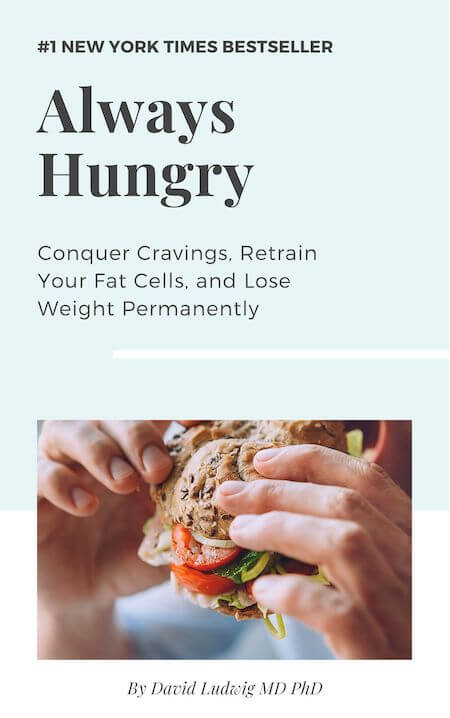
Prefer the print book? Buy on Amazon
As an Amazon Associate, Sumizeit earns from qualifying purchases.
Always Hungry? Book Summary
This Always Hungry? Book Summary covers the key ideas, lessons, and takeaways in about 20 minutes.
Short Description:
Always Hungry Solution promotes whole foods for sustainable weight loss.
Helps with these goals
Preview the Always Hungry? book summary
Below is a preview of Sumizeit’s comprehensive human-written summary of Always Hungry? by David Ludwig. The full summary is 15-20 minutes long and covers the book’s key ideas in text, audio, visual, and video formats. Unlock the full 20 Minute Summary
Being overweight or obese is a real health issue that affects a large number of Americans. This is partly because the standard American diet is one that is high in carbohydrates, especially refined and processed carbohydrates, which cause weight gain. Many diets promote calorie restriction as the solution for weight loss, but most people struggle to stick to these restrictive diets and end up overeating.
Rather than simply restricting calories, the Always Hungry Solution offers a weight loss plan that focuses on eating a nutritious diet high in healthy fats. It is also accompanied by lifestyle changes and progress tracking, in order to identify habits and increase accountability.
In Phase 1 of the Always Hungry Solution, the dieter cuts out unhealthy foods in order to better control and understand their food cravings. In Phase 2, the dieter begins to reintroduce certain foods back into the diet, while paying attention to the body’s response and remaining mindful of craving triggers. In Phase 3, participants personalize their diets, gradually reintroducing foods to an individual eating plan that is sustainable and provides the opportunity for long term weight loss success.
Why People Gain Weight
Weight gain is not always as simple as eating less and moving more. The nutritional quality of the food that people consume plays an important role. The body needs certain nutrients to function, and a calorie restricted diet that doesn’t provide these nutrients will not be successful. Instead, people should focus on consuming food high in essential nutrients, like lean proteins, healthy fats, fruits, vegetables, and plant fiber, and staying away from processed carbohydrates.
High-carbohydrate foods, especially processed carbohydrates, disrupt the body’s insulin production and lead to weight gain. People crave carbohydrates because they generate glucose in the body, which creates a rush of short-term energy. However, it also causes a spike in insulin levels, as the body rushes to absorb the excess sugar in the blood. After the spike, the body interprets the low blood sugar levels as a sign that the body needs more energy. This causes more hunger cravings and can slow metabolism, which leads to weight gain.
Stress is also a major contributor to weight gain. Research from the Institute of Psychology at Liverpool University has shown that overweight people sometimes eat more because of the stress of being overweight and the stigma attached to living in an overweight body. This stress can trigger overeating in already overweight people.
Obesity can lead to significant health problems over time, including chronic inflammation, insulin resistance, and even Type II Diabetes.
External Factors Also Contribute to Obesity
The federal government has contributed to the rising consumption of unhealthy food in America. Official government dietary recommendations, like the Food Pyramid Guide and Dietary Guidelines, promoted the consumption of simple carbohydrates over protein, healthy fats, and fruits and vegetables. The Food Pyramid represents the recommended daily nutrition intake for the average American.
Want the complete 20-minute summary?
- Full structured summary
- Video Summary
- Podcast Summary
- Audio summary
- Key takeaways
- Exercises
- Quiz
- Highlights and notes
- Ask the book with AI
Who should read Always Hungry??
Always Hungry? is for anyone struggling with chronic weight gain, food cravings, or the frustration of yo-yo dieting. If you've tried calorie restriction and failed, or if you want to understand why your body seems to work against your weight loss efforts, this book offers a science-based alternative that doesn't leave you feeling deprived.
Why does Always Hungry? matter?
Most weight loss advice ignores the real culprit behind obesity: not calories, but the quality of food and how it affects insulin levels and cravings. In a world where government dietary guidelines have historically promoted the wrong foods and food companies exploit our hunger signals, Always Hungry? by Dr. David Ludwig provides a biological explanation for why we gain weight and a practical, sustainable solution backed by medical research.
What are the key themes in Always Hungry??
- Nutritional quality matters more than calorie counting
- Refined carbohydrates drive insulin spikes and weight gain
- Healthy fats are essential, not the enemy
- Food cravings are biological signals, not willpower failures
- Lifestyle factors like sleep and stress directly impact weight
- Three-phase approach allows sustainable habit change
- Mindfulness and tracking increase long-term success
- Government dietary policies have contributed to obesity
How can you apply ideas from Always Hungry??
- Complete a two-week Phase 1 elimination to reset insulin sensitivity and identify which foods trigger cravings in your body
- Keep a daily food and lifestyle tracker to spot patterns between what you eat, how you feel, and when cravings strike
- Replace processed carbohydrates with healthy fats from nuts, olive oil, avocados, and fatty fish to stabilize blood sugar throughout the day
- Practice stress management and sleep optimization as part of your weight loss plan, not just dietary changes
- Reintroduce foods one per day during Phase 3 to identify your personal trigger foods and build a sustainable eating pattern
- Establish your 'Big Why' in writing and review it when facing moments of temptation or discouragement
- Build meals with a balance of healthy fats, protein, and vegetables to achieve natural satiety without calorie counting
What common mistakes do readers make with Always Hungry??
- Assuming all calories are equal and ignoring the metabolic impact of different food types on insulin and hunger hormones
- Rushing through Phase 2 before truly conquering cravings, leading to relapse into old eating patterns in Phase 3
- Attempting the plan without addressing underlying stress and sleep issues, which sabotage hormonal balance and willpower
- Continuing to consume low-fat versions of processed foods, which lack satiety signals and perpetuate unhealthy eating habits
Sumizeit Exercises Apply what you've learned
Turn ideas from Always Hungry? into action with a short guided reflection: identify the biggest takeaway, connect it to your life, and commit to one step you can take in the next 24 hours.
What is the expert analysis of Always Hungry??
Overview
Always Hungry? is a significant contribution to the contemporary discourse on obesity and weight management, authored by Dr. David Ludwig, a distinguished endocrinologist and professor at Harvard Medical School. Ludwig’s expertise in metabolism, nutrition, and obesity prevention lends considerable scientific credibility to the book. His dual role as a researcher and policy advocate situates the work at the intersection of clinical insight and public health, making it a timely intervention in the ongoing debate about diet, health, and governmental nutritional guidelines.
Core Thesis
Ludwig challenges the conventional wisdom that calorie restriction is the primary path to weight loss. Instead, he posits that the quality of calories—particularly the macronutrient composition of the diet—plays a decisive role in regulating hunger, metabolism, and long-term weight management. Central to his argument is the idea that processed carbohydrates disrupt insulin regulation, leading to persistent cravings and metabolic dysfunction. The book proposes a phased dietary approach emphasizing whole foods rich in healthy fats and proteins, alongside lifestyle modifications, to retrain fat cells and recalibrate the body’s hunger signals for sustainable weight loss.
Strengths
- Scientific Foundation: Ludwig’s background ensures the book is grounded in endocrinology and metabolic research, providing a robust physiological explanation for why traditional calorie-restriction diets often fail.
- Holistic Approach: The integration of diet with lifestyle factors such as sleep, stress management, and exercise reflects a nuanced understanding of obesity as a multifactorial condition.
- Practical Framework: The phased plan (elimination, gradual reintroduction, personalization) offers a clear, actionable roadmap that respects individual variability and encourages mindful eating habits.
- Critique of Government Policy: The book thoughtfully critiques outdated federal dietary guidelines, highlighting systemic contributors to the obesity epidemic and encouraging readers to take personal responsibility within this context.
- Emphasis on Sustainability: By avoiding calorie counting and focusing on satiety and nutrient density, Ludwig addresses the psychological and behavioral barriers that undermine many diets.
Critiques & Counterarguments
- Evidence Scope and Interpretation: While Ludwig cites metabolic and hormonal mechanisms, some critics argue that the evidence linking processed carbohydrates directly to obesity is complex and not universally conclusive. Other factors such as total energy balance and genetic predispositions also play critical roles.
- Oversimplification of Carbohydrates: The blanket demonization of carbohydrates risks oversimplifying a diverse macronutrient group. Whole grains and certain starchy vegetables have been associated with positive health outcomes in numerous epidemiological studies, complicating the narrative that carbohydrates are inherently problematic.
- Potential for Nutritional Imbalance: The high-fat focus, although emphasizing healthy fats, may not be suitable for all individuals, particularly those with specific cardiovascular risks. The long-term effects of such macronutrient distributions remain debated among nutrition scientists.
- Behavioral and Socioeconomic Factors: The plan assumes a level of individual agency and access to whole, unprocessed foods that may not be feasible for all populations, especially those facing food insecurity or cultural dietary norms.
- Competing Schools of Thought: Other approaches, such as intuitive eating, plant-based diets, or intermittent fasting, offer alternative frameworks for weight management that emphasize different mechanisms and lifestyle adaptations, sometimes with equally compelling evidence bases.
Who Should Read This
Always Hungry? is ideally suited for readers who are scientifically curious about the metabolic underpinnings of obesity and are seeking a pragmatic, evidence-informed alternative to calorie-counting diets. Health professionals, nutritionists, and policymakers interested in the physiological and systemic factors influencing obesity will find Ludwig’s insights valuable. Additionally, individuals frustrated by the failure of traditional diets and looking for a sustainable, psychologically mindful approach to weight loss will benefit from the book’s comprehensive methodology and phased implementation plan.
Frequently asked questions about the Always Hungry? book summary
What is Always Hungry? about?
Always Hungry? by Dr. David Ludwig explains why traditional calorie restriction fails for weight loss and offers a three-phase solution focused on eating nutritious whole foods rich in healthy fats while eliminating refined carbohydrates. The book reveals how processed carbs disrupt insulin production and create hunger cycles, and provides a science-based program that combines dietary changes with lifestyle improvements in sleep, stress, and exercise for sustainable weight loss.
Who should read Always Hungry??
Always Hungry? is ideal for anyone struggling with chronic weight gain, food cravings, or frustration with failed diets. It's especially valuable for people who've tried calorie restriction without success, those interested in understanding the biology behind their hunger, and anyone seeking a sustainable approach that doesn't require constant deprivation or willpower.
What are the main takeaways from Always Hungry??
The core takeaways are: calorie counting ignores the real problem of refined carbohydrates and insulin dysregulation, healthy fats are essential rather than harmful, and sustainable weight loss requires a three-phase approach that resets your body's hunger signals, gradually reintroduces foods mindfully, and personalizes eating patterns for life. Additionally, lifestyle factors like sleep and stress management are as critical as diet to long-term success.
Is Always Hungry? based on scientific research?
Yes. Dr. David Ludwig is an endocrinologist and researcher at Harvard Medical School who has published over 150 scientific articles on diet, nutrition, and metabolism. Always Hungry? draws on medical research about how different foods affect insulin production, blood sugar, and appetite hormones, rather than relying on calorie restriction alone.
How long does the Always Hungry? program take?
Phase 1 takes two weeks of strict elimination. Phase 2 can last from one to six months or longer, depending on how quickly you regain control over cravings. Phase 3 is your personalized, lifelong eating pattern. The entire process emphasizes gradual change over quick fixes to ensure lasting results.
Can I eat unlimited amounts on Always Hungry??
Yes, the plan does not involve calorie counting. Instead, you eat whole, nutrient-dense foods until you feel satisfied, which naturally prevents overeating because these foods trigger satiety signals. The focus is on food quality and mindful eating rather than portion restriction.
Does Always Hungry? include exercise recommendations?
Yes. The program incorporates exercise as part of overall lifestyle support, starting with light activity like daily walks in Phase 1 and increasing to moderate exercise in later phases. However, diet quality is emphasized as the primary driver of weight loss, with exercise supporting rather than replacing dietary changes.
About Sumizeit
Sumizeit is a profitable Scomy LLC company based in Miami, Florida. Our founders, Clemens Raemy and Weina Scott, are successful entrepreneurs with several exits. Sumizeit is a popular book summary app / micro learning app used by busy professionals and entrepreneurs with over 2,500 non-fiction book summaries and 10,000 podcast summaries in text, audio, visual, podcast, and video format. We also have stellar retention tools to make ideas stick - such as flashcards with spaced repetition, quizzes, streaks, highlighting and notes, daily challenges, riddles, mini-courses, meditation, and more. You won't only learn the idea, but also remember it. Over 90% of our users change their habits with Sumizeit.
Upgrade Now
Here's why readers love Sumizeit
Join thousands of learners getting smarter every day
"Great experience. Detailed summaries. Loved the gamification feature. Makes learning fun. Good customer service. I recommend Sumizeit to anyone. You'll learn a lot."
"I always felt busy but still wanting to keep up with the book discussion in my friend group. This was a great supplement to help me keep reading the books I find fun while keeping up with important books."
"I love this website. Instead of scrolling social media, I find myself learning a lot. I use it everyday. I recommend this app for anyone who is too busy and wants to get up to speed with their favorite books."
Always Hungry? Book Summary PDF
Looking for a Always Hungry? Book Summary PDF you can save and revisit offline? Our Always Hungry? Book Summary PDF captures the book’s core ideas in a clean, printable format — the key frameworks, takeaways, and structure without the fluff. Download the Always Hungry? Book Summary PDF when you want a reference you can annotate, share with your team, or review on the go. Get your Always Hungry? Book Summary PDF from the download page below.
Download Always Hungry? Book Summary PDFPeople also liked these summaries
Readers who explored Always Hungry? often enjoyed these titles next.




Ready to read the whole thing?
- Full structured summary
- Video Summary
- Podcast Summary
- Audio summary
- Key takeaways
- Exercises
- Quiz
- Highlights and notes
- Ask the book with AI
Featured Book Titles
Popular Book Summaries at sumizeit, leading book summary app